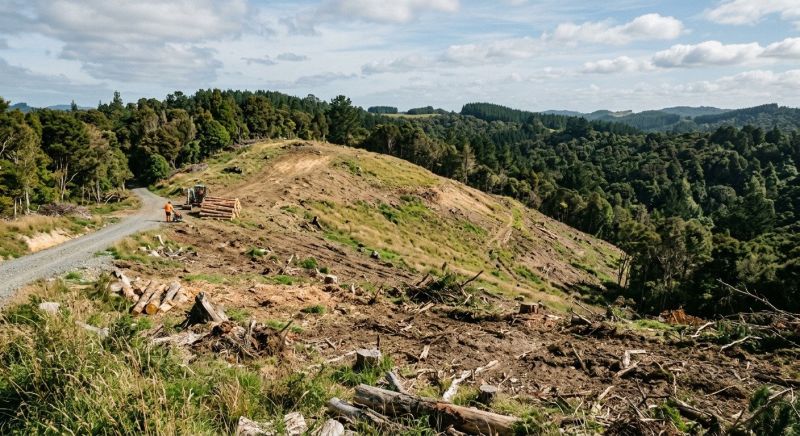
Slope Clearing in Salt Lake City, UT
Slope clearing services involve the removal of excess vegetation, debris, and other obstructions from sloped areas on residential properties. This process is often requested for projects such as preparing land for landscaping, preventing erosion, installing drainage systems, or creating level areas for construction or recreational use. Property owners typically want to understand the scope of clearing needed, the impact on the landscape, and any necessary preparations before work begins to ensure the project aligns with their goals.
Before requesting slope clearing, homeowners should consider the extent of the area to be cleared and any existing vegetation or structures that may influence the process. It’s also helpful to assess drainage patterns and potential erosion concerns, as these factors can affect the selection of appropriate clearing methods. Clear communication about project objectives and property conditions can help ensure the work meets expectations and supports long-term land stability.
Many property owners in Salt Lake City, UT look into Slope Clearing for repairs, replacements, upgrades, and appearance-related improvements.
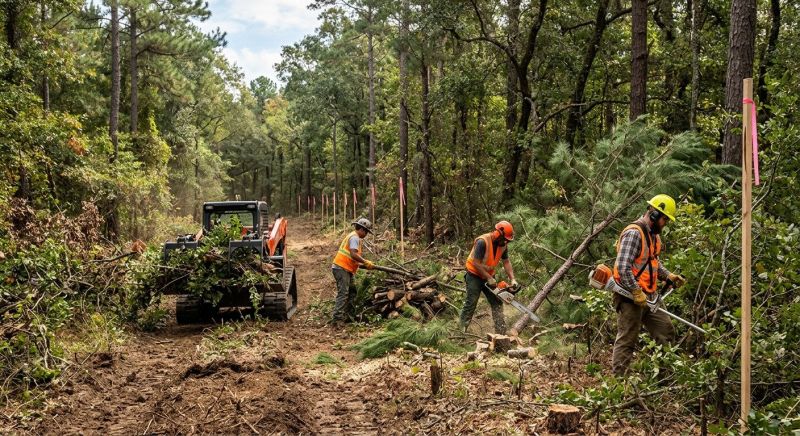
Terrain Preparation
Slope clearing helps prepare land for construction, landscaping, or drainage improvements.
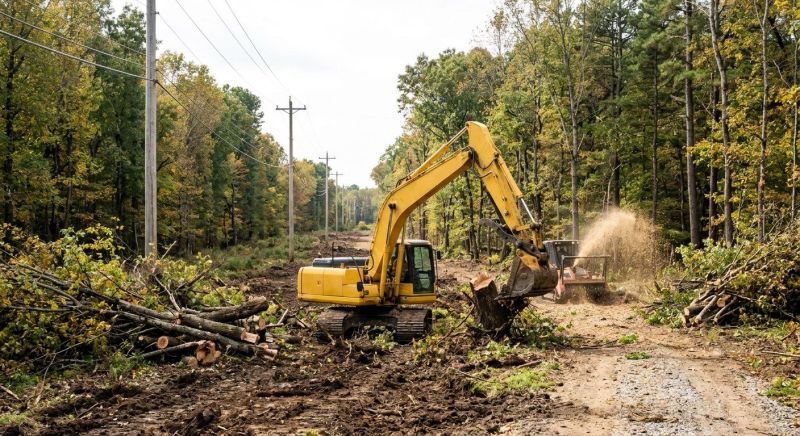
Erosion Control
Proper slope clearing reduces soil erosion and stabilizes hillsides around salt lake city properties.
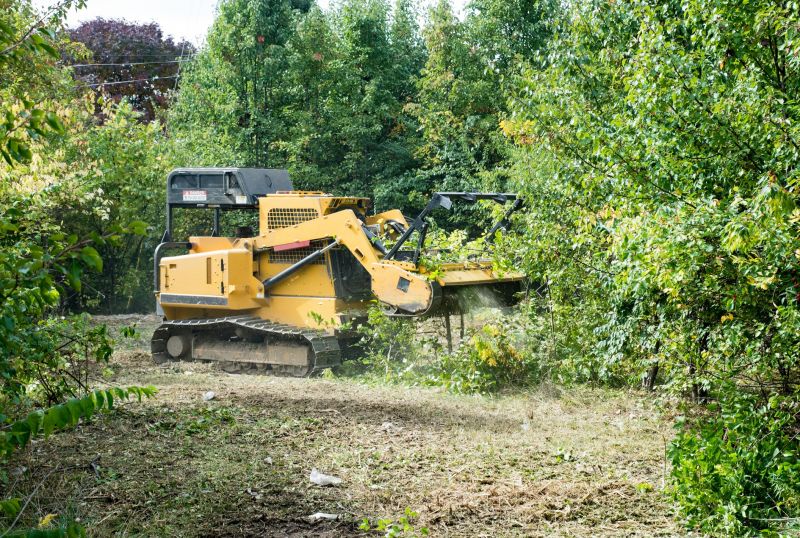
Landscaping Enhancement
Clearing slopes creates level areas ideal for gardens, lawns, or outdoor living spaces.
Slope Clearing in Salt Lake City, UT
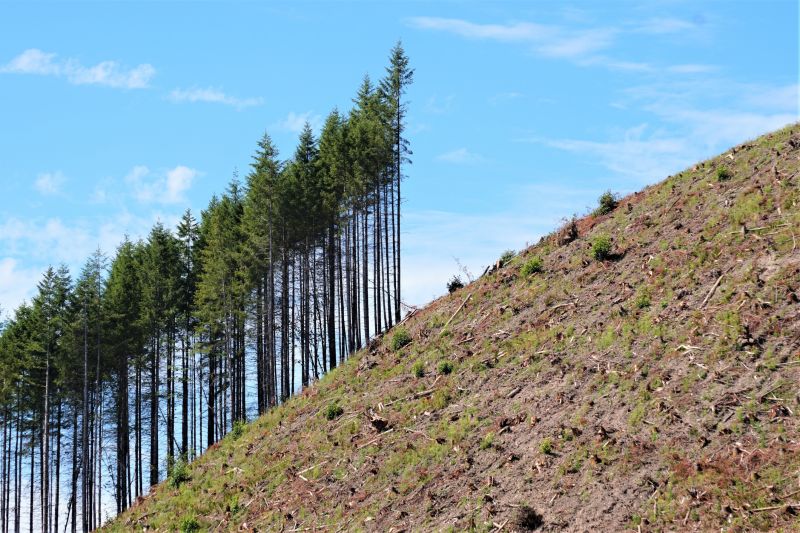
Slope clearing services involve the removal of excess vegetation, debris, and other obstructions from sloped areas on residential properties. This process is often requested for projects such as preparing land for landscaping, preventing erosion, installing drainage systems, or creating level areas for construction or recreational use. Property owners typically want to understand the scope of clearing needed, the impact on the landscape, and any necessary preparations before work begins to ensure the project aligns with their goals.
Before requesting slope clearing, homeowners should consider the extent of the area to be cleared and any existing vegetation or structures that may influence the process. It’s also helpful to assess drainage patterns and potential erosion concerns, as these factors can affect the selection of appropriate clearing methods. Clear communication about project objectives and property conditions can help ensure the work meets expectations and supports long-term land stability.
Many property owners in Salt Lake City, UT look into Slope Clearing for repairs, replacements, upgrades, and appearance-related improvements.
Common Slope Clearing Jobs
Slope Clearing Services - Removing excess vegetation and debris from hillside areas to improve safety and access.
Drainage Improvement - Clearing slopes to prevent water buildup and reduce erosion risks.
Landscaping Preparation - Preparing uneven terrain for new planting or construction projects.
Erosion Control - Stabilizing slopes to protect against soil loss and property damage.
Trail and Path Clearing - Creating safe, accessible routes through hilly or wooded areas.
Debris Removal - Clearing fallen branches, rocks, and other obstructions from slopes.
Slope Clearing Questions
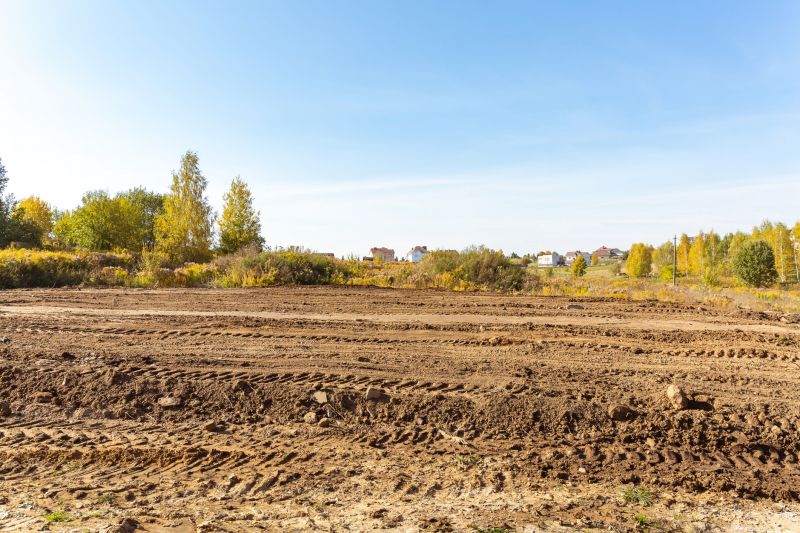
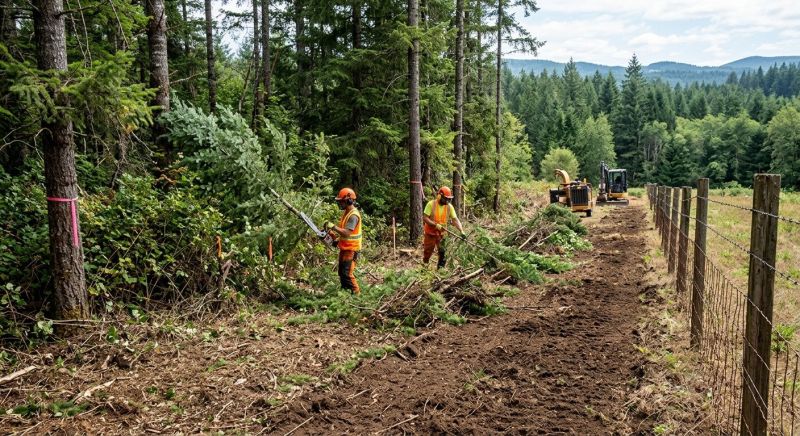
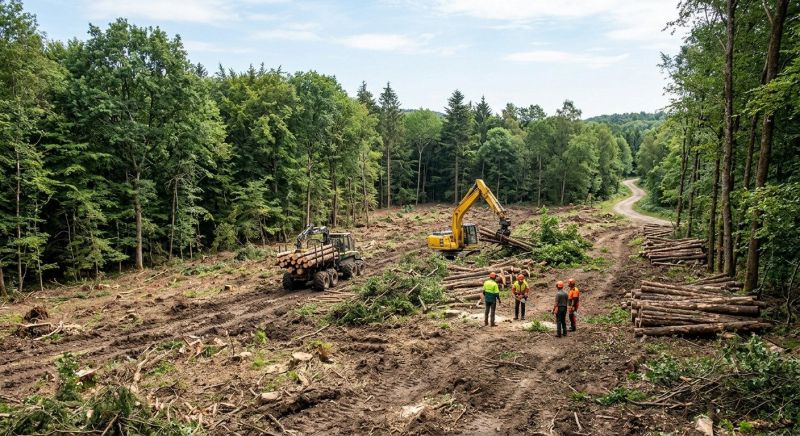
What is slope clearing? Slope clearing involves removing vegetation, debris, and obstacles from sloped areas to improve stability and accessibility.
Why is slope clearing important? It helps prevent erosion, reduces the risk of landslides, and makes the terrain safer for construction or landscaping projects.
What types of projects require slope clearing? Slope clearing is commonly needed for building foundations, driveway installation, landscaping, and erosion control efforts.
What should property owners consider before slope clearing? It’s important to evaluate soil stability, drainage, and local regulations to ensure a safe and effective clearing process.
Request Slope Clearing in Salt Lake City, UT
Use the quote form on this page to share the basics of your project and request more information for the type of work you need.